
Expert Advice on Choosing the Right Solar System for Your Home


Understanding Your Energy Needs
Before investing in a solar system, it's crucial to understand your home’s energy requirements. Start by reviewing your past utility bills to determine your average energy consumption. Consider any future changes, such as home expansions or the addition of energy-intensive appliances.
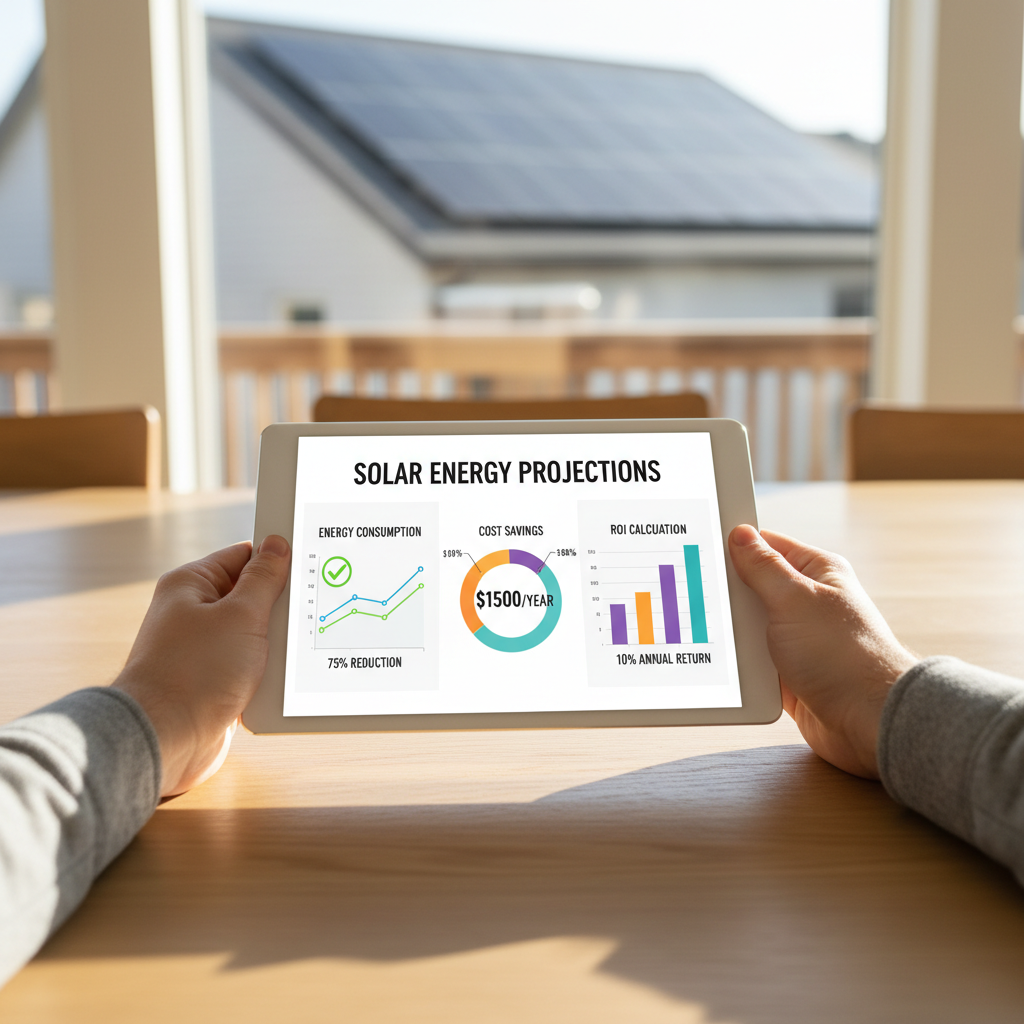
Calculating your energy needs accurately ensures that you choose a solar system that effectively meets your demand without overspending on unnecessary capacity.
Types of Solar Panels
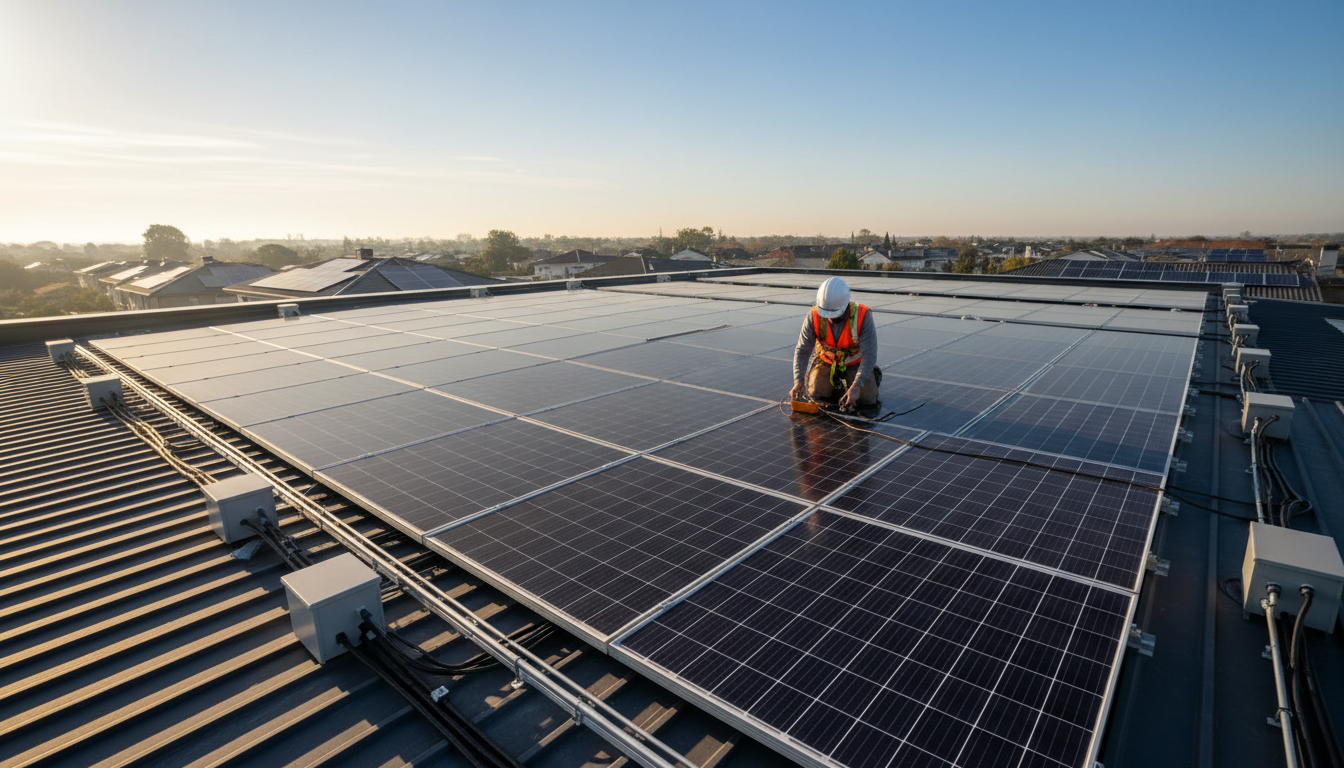
Solar panels come in various types, with the most common being monocrystalline, polycrystalline, and thin-film. Each type has its own advantages and disadvantages.
Monocrystalline panels are known for their efficiency and long lifespan, but they can be more expensive. Polycrystalline panels are generally more affordable but slightly less efficient. Thin-film panels offer flexibility and are lightweight, making them suitable for unconventional spaces, though they may require more space for installation.
Assessing Your Roof's Suitability
Your roof's condition and orientation significantly impact the efficiency of a solar system. Ideally, solar panels should face south to capture maximum sunlight, though east or west-facing roofs can also work with some efficiency loss.
Additionally, ensure your roof is in good condition and can support the weight of the solar panels. It might be wise to conduct a professional roof inspection before installation.
Understanding Inverters
Inverters play a crucial role in converting the direct current (DC) produced by solar panels into alternating current (AC) used by your home. There are three main types: string inverters, microinverters, and power optimizers.
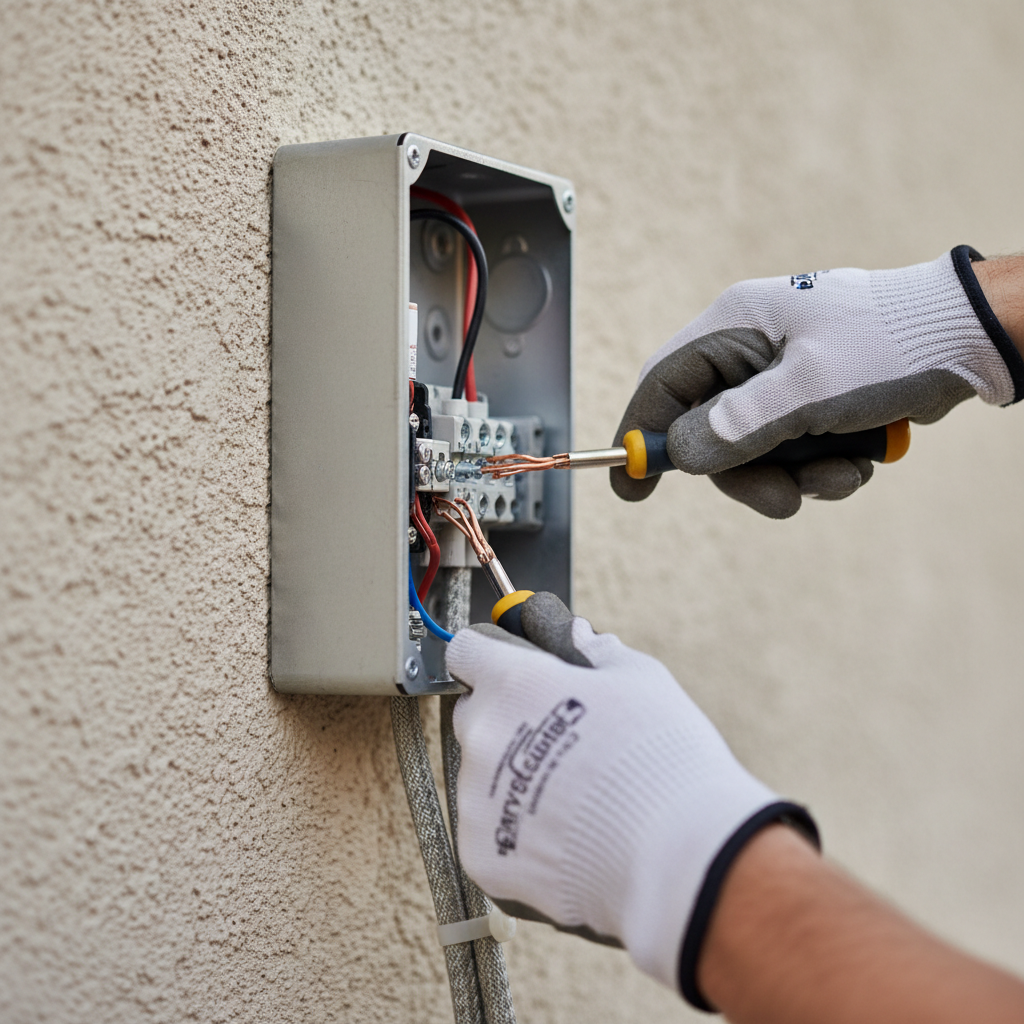
String inverters are cost-effective and suitable for homes with minimal shading. Microinverters offer better performance if you have shading issues, as they optimize each panel individually. Power optimizers are a hybrid option that can balance cost and efficiency.
Financial Considerations
Investing in solar energy is a significant financial decision. Consider the initial costs, potential savings on utility bills, and available incentives or rebates. Many regions offer tax credits or rebates that can reduce the upfront cost of solar installations.
Additionally, explore financing options such as solar loans or leases, which can make the transition to solar energy more affordable.
Choosing a Reliable Installer
The quality of your solar installation is just as important as the equipment itself. Research potential installers, looking for those with strong reputations and certifications from recognized bodies, such as the North American Board of Certified Energy Practitioners (NABCEP).
Request quotes from multiple installers to compare prices and services. A reliable installer will assess your home, provide a detailed proposal, and offer comprehensive after-sales support.
Maintenance and Warranties
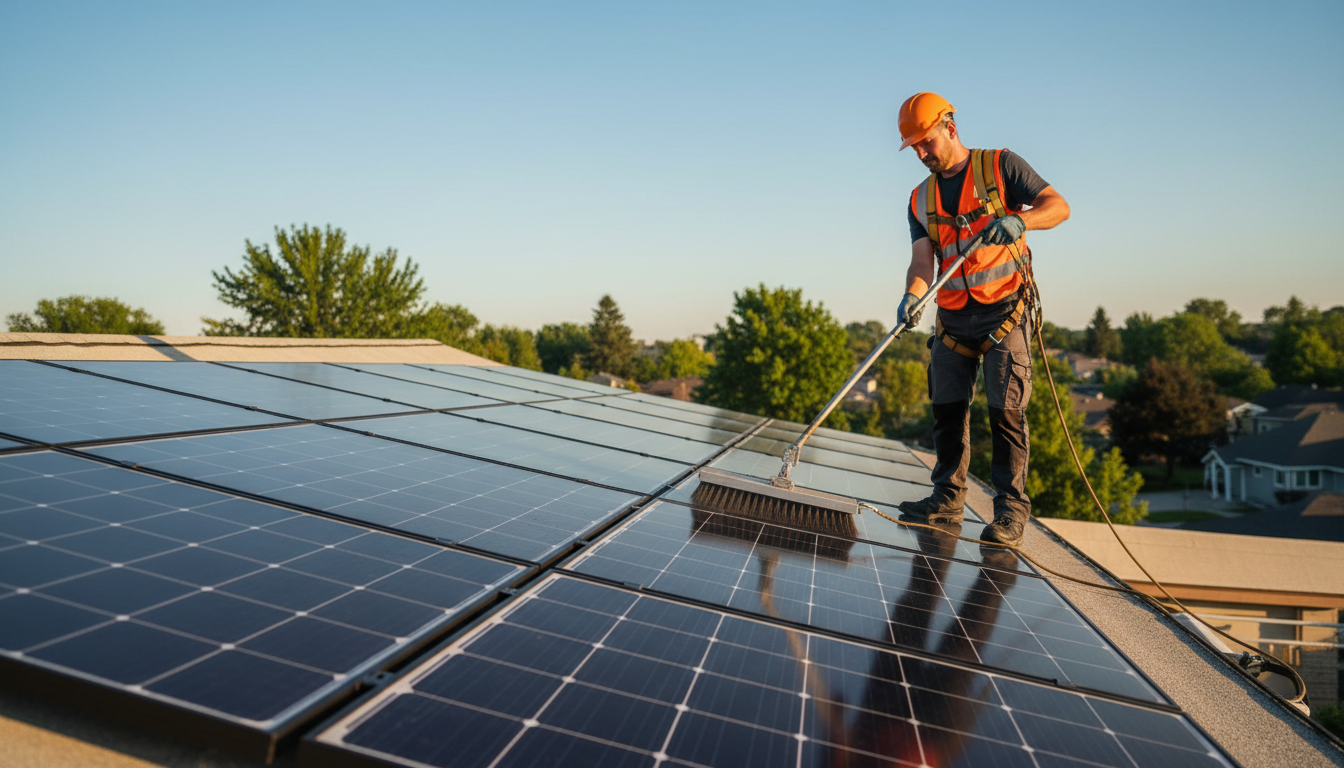
Solar systems generally require minimal maintenance, but it's essential to understand the upkeep involved. Regularly cleaning panels and ensuring inverters are functioning correctly can optimize performance.
Review the warranties offered on both the panels and inverters. A robust warranty can provide peace of mind and protect your investment over time.
Conclusion
Choosing the right solar system for your home involves careful consideration of your energy needs, roof suitability, and financial options. By understanding the different components and seeking expert advice, you can make an informed decision that aligns with your environmental goals and budget.